

Meet SoloTrvlr’s wine pro, Lucy, a technologist by day, wine writer by night. With a passport full of vineyard stamps from 19 countries, Lucy’s on a mission to make the wine world more inclusive, equitable, and sustainable. She can advise on the best boutique, family-run wineries to visit in California, France, Spain, Italy, South Africa, Portugal, England, and Wales—no car required. Book a 1:1 consultation with Lucy here.
As a woman who’s lived in cities with exceptional public transport for the past 15 years, I don’t drive. In fact, I don’t even have a driver’s license.
This shapes how I travel: no rental cars, just trains, taxis, and my trusty sneakers. That might sound limiting, but it’s a luxury—why stress about driving when you can sip wine and read on a train? It’s easy in cities, but sometimes, I want to frolic among the vines. This desire has helped me get creative in finding wineries that are easily accessible by train. As an added bonus: I rarely need to use the spit bucket.
Logroño, Spain
The capital of La Rioja lives and breathes wine: Street signs are grape-themed and the entire town turns out for grape-crushing, marching bands, and flowing Ebro River, especially during the week-long Fiestas de San Mateo (starting the Saturday before September 21). You can either fly directly from Madrid; take a train from Madrid (3hr45 direct); or hop a bus from Bilbao (2–3 hours, offered on irregular days). Once settled into this small, historic town, you can walk (or taxi) to multiple wineries quite easily.
Family-Run Organic Winery:
Bodega Viña Ijalba – A 10-minute cab ride from the train station, this boutique winery blends tradition and innovation, spotlighting indigenous Rioja varieties and organic practices. For €25, you’ll tour the vineyards, fermentation tanks, and cellar before tasting wines with local snacks. Christina Gutierrez, third-generation owner, brings a fresh, nature-inspired energy to the brand and wine.
Local Tips:
Wineries here are close enough to visit two in a day. Take a cab to a larger producer like Campo Viejo in the morning, then walk to Viña Ijalba in the afternoon, after a solid lunch. This will give you a great picture of how boutique wineries operate in contrast to the larger producers. Make online reservations at both wineries and arrive on time—you don’t want to keep a group waiting.
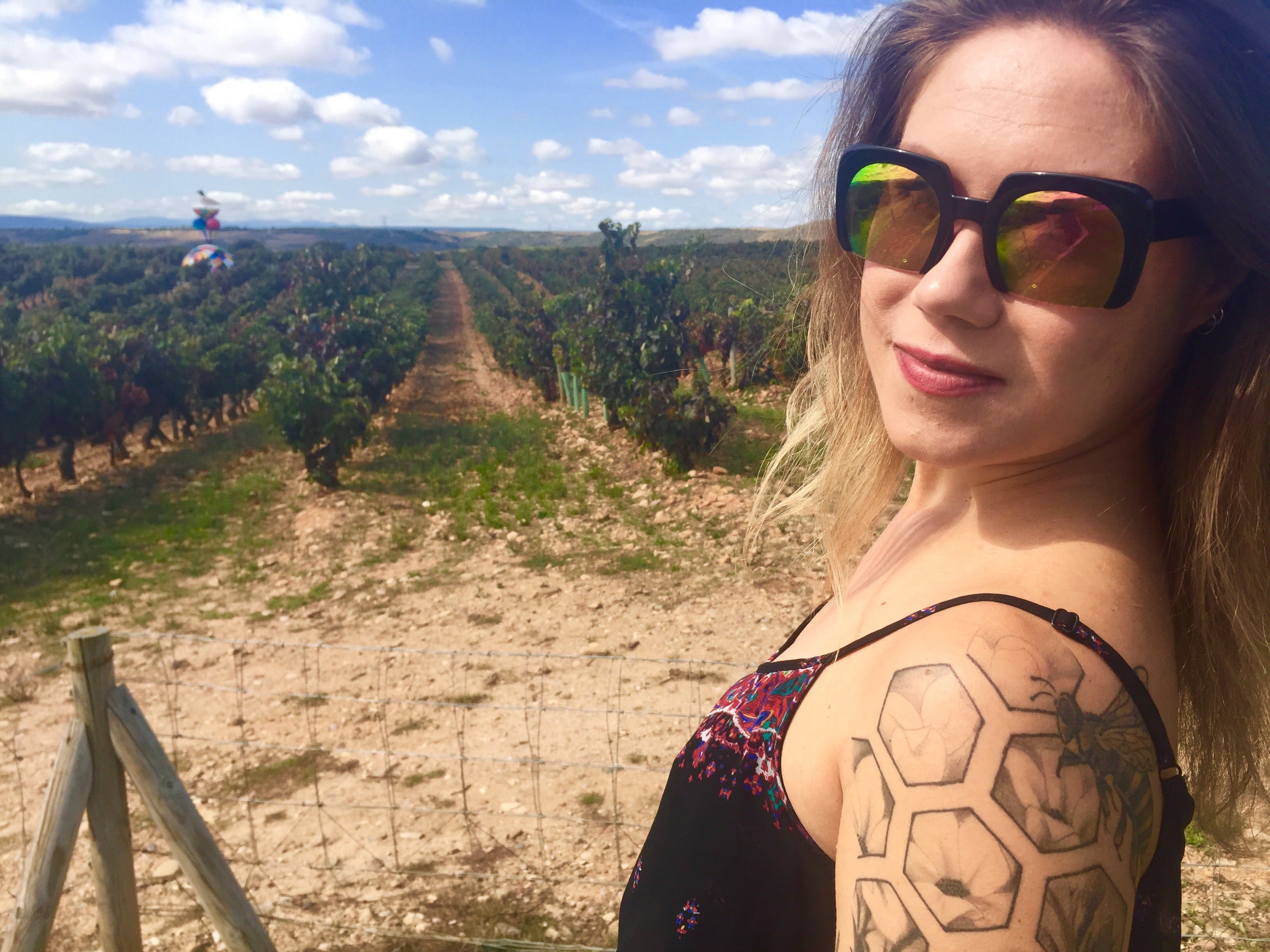
Penedès, Spain
Barcelona makes an easy base for wine adventures. Just an hour away by train is Vilafranca del Penedès, the heart of Catalonia’s cava region. For a longer day, hike Montserrat in the morning, then toast your efforts with wine in the afternoon.
Wine Made by Women:
Parés Baltà – A quick taxi from Vilafranca station, this family-run winery produces a wide variety of still and sparkling wines. Currently both winemakers are women, María Elena and Marta, who married into the third generation of the Cusiné family. I love drinking wines made by women because I find they lack ego, and are rooted in creativity and imagination, something María Elena and Marta are doing extremely well. The winery offers a variety of tasting experiences, so you can choose one that best suits your palate.
Local Tips:
Stick to one winery on a day trip here—it gives you time to relax and enjoy a post-tasting glass in the vineyard. Book via their website, and make sure your train schedule gives you plenty of time to get over to the winery and situated. Bring a book if you’re going to arrive early (what’s more romantic than savoring a few chapters amongst the vines?)


Beaune, France
After a few days of enjoying Parisian wine bars, I’m always ready to head to the countryside and see where the magic really happens. Luckily, Beaune—a charming town in Burgundy, one of the world’s most famous wine regions—is just a two-hour train ride from Paris. Book ahead and a round-trip ticket from Gare de Lyon should run you under €50.
Family-Run Organic Winery:
Domaine Cornu – Between Côte de Nuits and Côte de Beaune, this longstanding family-run estate is primarily planted with Pinot Noir and Chardonnay—the grapes for which Burgundy is justifiably famous. Don’t miss my personal favorite, the Aligoté, a lesser-known white variety that I find extremely fresh and silky smooth. The cellar is open from Monday to Saturday. Contact the winery directly to arrange a visit.
Local Tips:
Burgundian wineries aren’t built for drop-ins, so book a small-group tour with France Intense, or try Divignes for a more VIP experience (it’s about $100 more for similar options). You’ll get access to a mix of producers and can relax while someone else drives. Book well in advance—spots fill up.
Catania, Sicily
Catania stole my heart—and my itinerary. I planned to stay a few days and ended up living there for a month. It’s wild, salty, sun-drenched, and delicious. Eventually, I had to visit the source of their lively volcanic wine: Mount Etna.
Ancient Practices Anchored by Women:
Palmento Costanzo – Set on the slopes of Etna, this sleek, modern winery is run by mother-daughter duo Valeria and Serena. Their wines—especially Nerello Mascalese—reflect the region’s unique volcanic terroir. After a tasting and light lunch, tour the vineyards and admire their custom-built ovum fermenter.
Local Tips:
Etna’s terrain is best tackled with a guide. Go Etna Excursions offers a great day tour with a hike, cave exploration, and winery visit. There’s no Uber in Sicily, so choose a tour with pickup/dropoff or use a local taxi (cash only).
Tips for Visiting European Wineries
Reserve Ahead: Drop-ins are not the norm in Europe like they are in the U.S. Always book winery visits in advance and expect to pay a fee. Show up on time and ready to listen.
When to Go: Vineyards are beautiful year-round, but September is harvest season. Want to see grapes picked and crushed? That’s your moment.
Drink Smart: Eat a good meal beforehand, bring water, and don’t feel obligated to finish every pour—save room for your favorites.
Linger Longer: After your tasting, buy a glass (or a bottle) to savor on-site. Most wineries welcome lingering.
Don’t Overdo It: Two wineries a day is plenty. You’ll enjoy the stories, architecture, and scenery more if you’re not rushing.
Getting There Without a Car: Buy train tickets ahead of time for the best value. For Spain, book with Renfe; for France, book with SNCF. Seats are assigned and, as a solo traveler, I love the individual seat-table trays. Look for a taxi queue outside the station (Uber isn’t always available in the countryside), confirm the fare before getting in, and be prepared to pay in cash. Don’t hesitate to ask for your driver’s business card to call for your return trip—or ask someone at the winery to do that for you.

Great writing. Check out my next Saturday post on Tuscan wine. Cin cin